

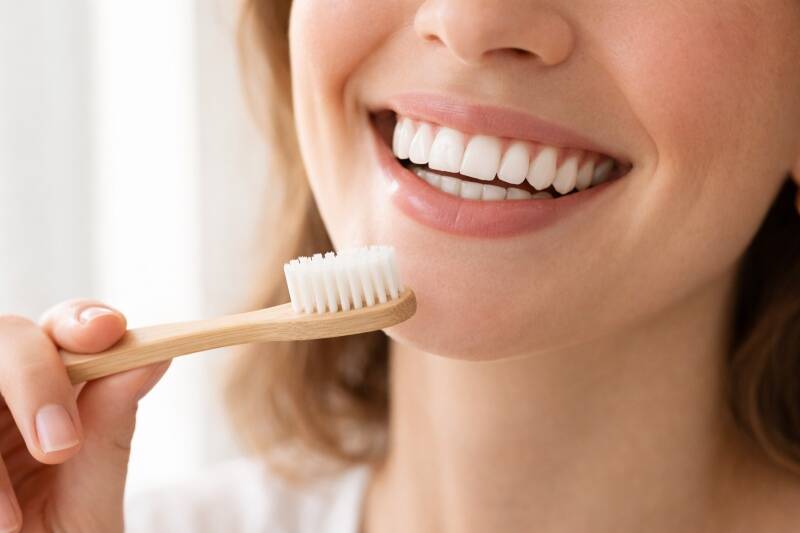
Teeth Cleaning may help remove plaque, tartar, and surface stains that brushing and flossing cannot fully manage at home. Patients in Joppa Towne, MD, Abingdon, MD, and Edgewood, MD may benefit from regular preventive visits that include gum checks, oral hygiene guidance, and screening for early concerns. Cleanings can also help patients understand whether stains are best managed with hygiene care, whitening, or another dental option after evaluation.
Daily brushing and flossing do a lot, but some buildup can still stay behind. A patient in Joppa Towne, MD may notice rough areas near the lower front teeth, bleeding when flossing, or staining that does not lift with regular brushing. Someone else may feel that their mouth looks clean but still has tartar hidden near the gumline.
Professional Teeth Cleaning in Edgewood, MD supports preventive care by removing plaque and hardened buildup from areas that are difficult to reach at home. It also gives the dentist and hygienist a chance to check the gums, review brushing habits, look for early signs of decay, and talk through stain concerns. A cleaning visit is not only about making the teeth feel smoother. It can help guide long-term oral health choices before small concerns become harder to manage.
Why Plaque and Tartar Matter
Plaque is a soft film of bacteria that forms teeth throughout the day. Brushing and flossing help remove it, but plaque can harden into tartar when it stays on the teeth too long.
Tartar cannot be removed fully with a toothbrush. It often collects near the gumline, between teeth, and behind the lower front teeth. These areas may feel rough or yellowish.
When Tartar stays in place, it can irritate the gums and make home care harder. Regular dental cleanings help remove this buildup and make the teeth easier to maintain.
What Happens During a Cleaning Visit
Preventive cleaning usually includes reviewing oral health changes, checking the gums, removing plaque and tartar, polishing the teeth, and offering home care guidance. The visit may also include X-rays if they are due or if a concern needs a closer look.
The hygienist may use special instruments to clean along the gumline and between teeth. Polishing can help remove some surface stains and leave the teeth feeling smoother.
Patients should mention bleeding, sensitivity, bad breath, sore gums, dry mouth, or changes in how the bite feels. These details can help the dental team understand what needs attention.
Gums Can Show Early Warning Signs
Healthy gums usually fit snugly around the teeth and do not bleed easily. Bleeding while brushing or flossing can be a sign of inflammation, even if there is no pain.
A patient from Abingdon, MD may think bleeding gums are normal because they happen often. Gum bleeding should be checked because it may point to plaque buildup, tartar, brushing technique, medication effects, or periodontal concerns.
During the visit, gum measurements may be taken to check pocket depth around the teeth. These numbers help show whether the gums are healthy or need closer care.
How Cleanings Support Fresh Breath
Bad breath can come from food, dry mouth, tongue coating, gum inflammation, cavities, or tartar buildup. Cleaning may help when the cause is linked to plaque and bacteria around the teeth and gums.
The dental team may also ask about hydration, medications, tobacco use, mouth breathing, or sinus symptoms. These factors can affect breath and oral comfort.
If bad breath continues after cleaning and home care changes, more evaluation may be needed. The cause should guide the next step.
Surface Stains and Tooth Color
Coffee, tea, tobacco, dark sauces, and some foods can leave surface stains. Polishing during a cleaning may reduce some outer staining, but it does not change the natural shade of the teeth the same way whitening may.
Patients sometimes ask about Teeth Whitening Treatment during a cleaning visit because they want to know whether discoloration is from stain, enamel changes, or older dental work. The answer depends on the exam.
Cleaning can be a good first step before cosmetic shade care. Once plaque and surface buildup are removed, the dentist can better evaluate the true tooth color.
When Whitening Should Wait
Whitening is not always the first step. Cavities, gum inflammation, cracked enamel, exposed roots, or active sensitivity should be reviewed before any cosmetic shade change is planned.
A Teeth Whitening Dentist may check whether teeth and gums are healthy enough for whitening and whether visible fillings, crowns, veneers, or bonding will affect the result. Restorations do not lighten like natural enamel.
For patients in Edgewood, MD, this can prevent surprises. A tooth that looks stained may need to care for decay; an old filling, or enamel wear before whitening is considered.
Cleanings for Patients with Crowded Teeth
Crowded teeth can create areas that are hard to brush and floss. Plaques may hide where teeth overlap, especially near the gumline.
For someone in Joppa Towne, MD, professional teeth cleaning may help remove buildup from these tight areas while also showing which spots need more attention at home. The hygienist may suggest smaller brushes or a different flossing method.
Crowding can also affect stain patterns. Some areas may darken faster because they are harder to keep clean.
Same-Day Brightening Questions
Some patients ask about Same-Day Teeth Whitening when they already have a hygiene appointment planned. This may be possible for selected patients, but it depends on the health of the teeth and gums.
If gums are inflamed or teeth are sensitive, whitening may be delayed until the mouth is more stable. A safe plan should come before speed.
The dentist can also explain whether the patient’s stain type may respond to whitening. Deep internal discoloration, old restorations, or enamel defects may need a different cosmetic plan.
Cleanings Before Cosmetic Dental Care
Cleaning can help prepare the mouth for cosmetic discussions. Removing buildup gives a clearer view of tooth shade, gumline shape, enamel texture, and existing restorations.
A second mention of Teeth Whitening Treatment fits here because many patients want to brighten their smile after hygiene care. The dentist may recommend cleaning first, so whitening decisions are based on the actual tooth color.
This approach also helps identify concerns that should be treated first. Cosmetic care works best when oral health is stable.
What Preventive Visits May Help With
Professional hygiene care may support both oral health and cosmetic planning.
It may help:
- Remove plaque and tartar buildup
- Reduce surface stains from daily habits
- Check gum inflammation
- Support fresher breath
- Review brushing and flossing technique
- Monitor early decay signs
- Identify areas that are hard to clean
- Prepare for shade discussions
- Guide preventive care timing
- Results depend on home care, diet, gum health, medical factors, and regular follow-up.
Choosing the Right Whitening Guidance
A Teeth Whitening Dentist can help patients understand whether stains are on the surface, within the enamel, or connected to restorations. This matters because each cause may need a different approach.
A second mention of Same-Day Teeth Whitening may come up when patients want a faster change for an event or photo. The dentist should still check sensitivity, gum health, and dental work before recommending it.
Whitening should not be rushed if the mouth needs preventive or restorative care first. Healthy teeth and gums give cosmetic care a safer starting point.
What to Expect Before During and After Care
Before the appointment, patients should share health changes, medications, sensitivity, gum bleeding, dry mouth, or any areas that feel rough or sore. X-rays may be recommended based on timing or symptoms.
During the visit, the hygienist removes plaque and tartar, polishes the teeth, checks gum health, and may offer home care tips. Teeth cleaning can also help reveal whether stains are mainly surface buildup or need a whitening discussion.
After the visit, patients from Edgewood, MD should continue daily brushing, flossing, and regular dental exams. If gums feel tender, bleeding continues, or sensitivity worsens, the dental team should be told.
Local Patient Review
“I came in because my teeth felt rough, but the visit helped me understand where I was missing plaque and why my gums were bleeding.”
A Cleaner Smile Supports More Than Appearance
Preventive care can make teeth feel smoother, support healthier gums, and help patients understand whether staining needs hygiene care, whitening, or another option. For patients near Joppa Towne, MD who want a clearer picture of their oral health and smile shade, G-Ark Family Dental can review the teeth and gums and suggest care based on the findings.
Frequently Asked Questions
Why do my teeth feel rough near the gumline?
Roughness may come from Tartar buildup. A dental cleaning can remove hardened buildup that brushes cannot fully clear.
Is bleeding during flossing normal?
Bleeding can be a sign of gum inflammation. It should be checked, especially if it happens often or does not improve.
Can cleaning make my smile look brighter?
It may remove surface stains and make teeth look fresher, but it does not change natural tooth color like whitening can.
How often should I have a hygiene visit?
The right timing depends on gum health, tartar buildup, medical factors, and home care. Your dentist or hygienist can recommend a schedule.
Will cleaning hurt sensitive teeth?
Some areas may feel tender if teeth are already sensitive. Tell the dental team so they can adjust to care and check the cause.
Do I still need visits if I brush well?
Yes. Tartar can still form in hard-to-reach areas, and exams help detect concerns that may not cause pain yet.
Can children have professional cleanings too?
Yes. Children benefit from plaque removal, brushing guidance, cavity checks, and early habit support.
What if I have bad breath even after brushing?
Bad breath may come from plaque, gum inflammation, dry mouth, cavities, or other causes. A dental evaluation can help identify the source.